AI Chatbots for Kids: Are They Safe? (2026)
What parents should know about AI chatbots for kids, the real risks, and a safer alternative.
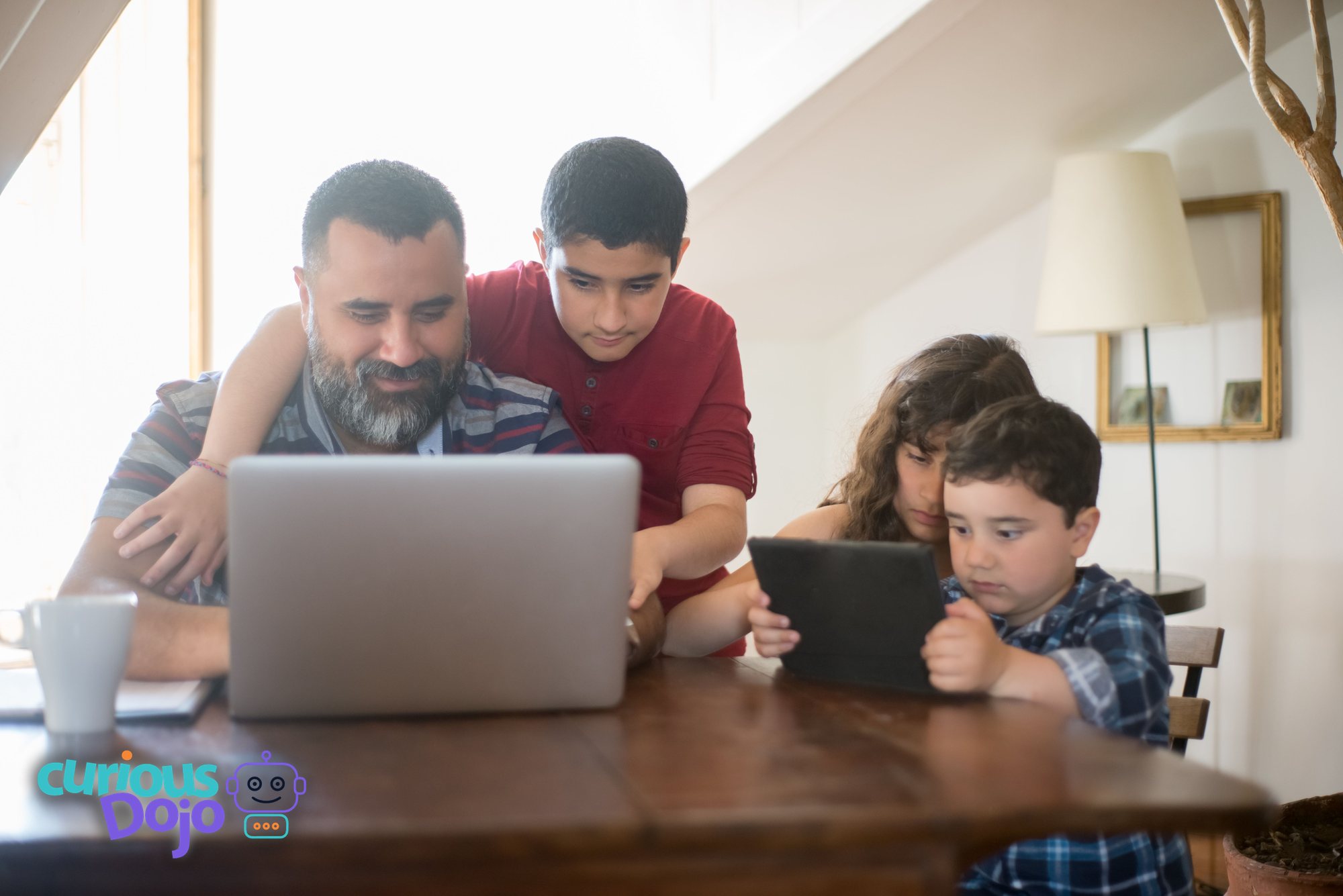
AI chatbots for kids are general-purpose chat tools, like the ones adults use, that answer almost any question in a human-sounding way. For children aged 6 to 12 they raise real safety questions, because most were built for adults, not kids. AI chatbots for kids can invent facts, produce content that is not age-appropriate, encourage back-and-forth that feels like a friendship, and collect data a parent never sees. This guide explains what these tools are, the actual risks, what to check before letting a child near one, and a safer, structured way to learn AI.
What are AI chatbots for kids?
An AI chatbot is a program you type or talk to that replies in natural language, usually powered by a large language model. "AI chatbots for kids" usually means one of two things: a general tool like ChatGPT, Gemini, or Copilot that a child uses, or a kid-branded chat app. The important point is that the underlying technology is the same open-ended chat, and open-ended chat is hard to keep inside safe, age-appropriate limits for a young child.
Are AI chatbots safe for children?
Safety comes down to design, not marketing. Most mainstream chatbots set their minimum age at 13 and up in their own terms, which tells you who they were built for. A tool is safer for a child when it runs in a closed space, cannot wander to any topic, does not collect more data than it needs, shows no ads, and is supervised by an adult. An open chatbot meets few of those tests on its own, which is why many parents prefer a structured alternative like a kid-safe approach to ChatGPT.
What are the risks of giving kids an open chatbot?
There are four risks worth knowing. First, chatbots can state wrong things with full confidence, so a child may trust a made-up answer. Second, they can produce, or be coaxed into, adult or scary content. Third, the always-available, agreeable tone can feel like a relationship, which is not healthy for a young child. Fourth, free tools often learn from what users type, so a child may share personal details that leave your home. None of this means AI is bad for kids; it means an adult chatbot is the wrong doorway.
What should parents look for instead?
Look for a child-first environment: lessons inside a walled space, no open chat with a general model, no ads, clear data practices, and a parent dashboard so you can see what your child is doing. The goal is real AI literacy, understanding how AI works and how to use it wisely, delivered in a way you can supervise. For safe tool picks, see our roundup of ChatGPT alternatives for kids.
A structured course vs an open chatbot
A structured course gives a child a path: one idea at a time, hands-on projects, quizzes, and feedback a parent can follow. An open chatbot gives a blank box and no guardrails. For building lasting skills and confidence, the course wins, and it is far easier to keep safe. For the full picture of how children learn these skills step by step, see our complete guide to AI learning for kids.
Frequently asked questions
Is ChatGPT an AI chatbot that is safe for kids?
ChatGPT is built for ages 13 and up and has no dedicated child mode, so it is not designed for young children. If an older child uses it, a parent should set it up and supervise, and a child-first course is a safer first step.
At what age can a child use an AI chatbot?
Most chatbots require users to be at least 13. Below that age, a structured, supervised AI learning tool is a better fit than an open chatbot built for adults.
What is a safer alternative to AI chatbots for kids?
A guided, age-appropriate course that teaches AI concepts and projects inside a closed space, with no open chat and a parent dashboard, gives most of the learning value with far less risk.
Curious Dojo
Turn curiosity into real AI skills
Curious Dojo turns AI literacy into a game kids ages 6+ actually finish — 45 guided lessons, quizzes, boss battles and a certificate, all inside a parent-managed, ad-free space.
- 45 lessons across 5 worlds
- Quizzes, boss battles & a final exam
- Certificate parents can share
Parent-managed accounts · no ads · cancel anytime